Common Child Injuries in Car Crashes
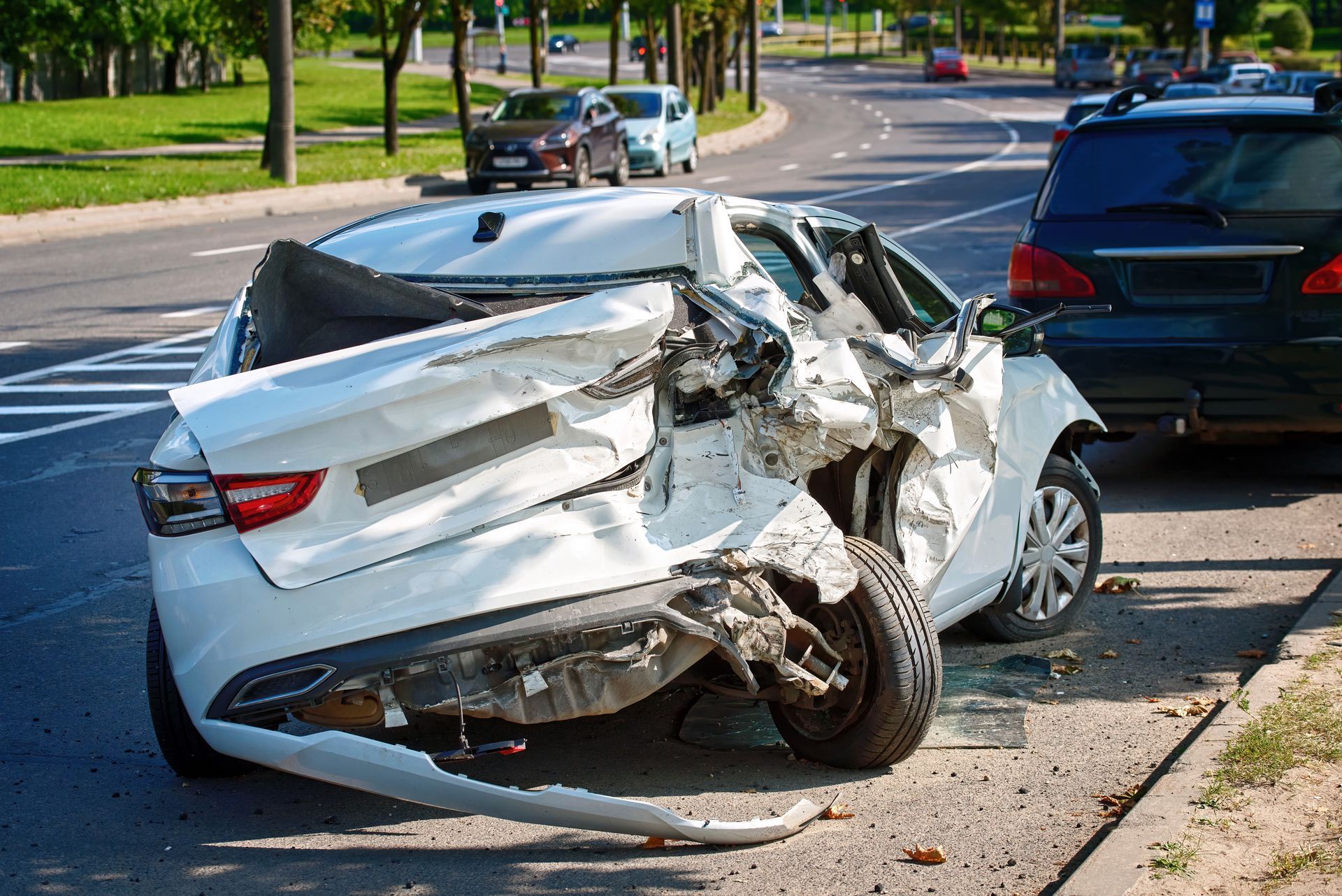
Children involved in car crashes do not sustain the same injuries adults do, and they do not recover from them the same way. A child's developing musculoskeletal system, the proportional size of their head relative to their body, and the way their bones and tissues respond to impact all produce injury patterns that adults rarely experience.
For parents in Northwest Indiana whose child has been hurt in a crash, understanding what those injuries look like and how Indiana law treats claims on a child's behalf is the starting point for protecting their rights. At Sarkisian Law, our car accident attorneys handle child injury cases across Lake County, Porter County, and throughout the region.
Why Children Sustain Different Injuries Than Adults in the Same Crash
A child's body is not simply a smaller version of an adult's. Children have proportionally larger heads relative to their body mass, softer and more cartilaginous bones, and ligaments that are more flexible than those of adults. In a crash, this combination means that forces applied to a child's body are transmitted differently than they would be to a fully developed adult.
Younger children also lack the muscle development to stabilize the neck and spine during sudden deceleration. The head moves forward and snaps back with more force relative to body weight, which is why rear-impact crashes that cause whiplash in adults can produce more serious cervical spine injuries in children. Internal organs are also less protected in children; the liver, spleen, and kidneys are lower in the abdominal cavity and are more exposed than in adults, particularly in frontal crashes.
Head Injuries and Traumatic Brain Injury
Traumatic brain injury is among the most serious and common injuries children sustain in car crashes. Because the skull is thinner and still developing, and because the brain itself is less myelinated than an adult's, children are more susceptible to concussive injury from both direct impact and from the acceleration-deceleration forces present in a crash.
TBI in children does not always present immediately. A child who appears alert and functional at the crash scene may show behavioral changes, cognitive difficulties, or neurological symptoms in the days and weeks that follow. Missing these signs early can delay treatment and complicate both the medical outcome and the injury claim. Any child involved in a significant crash should receive a full medical evaluation promptly, even if initial symptoms seem minor.
Long-term consequences of pediatric TBI can include learning disabilities, attention deficits, memory problems, and behavioral changes that follow the child into adulthood. A settlement that does not account for these long-term effects (many of which may not be fully apparent until the child reaches school age or adolescence) will not cover the actual cost of those consequences.
Spinal and Orthopedic Injuries
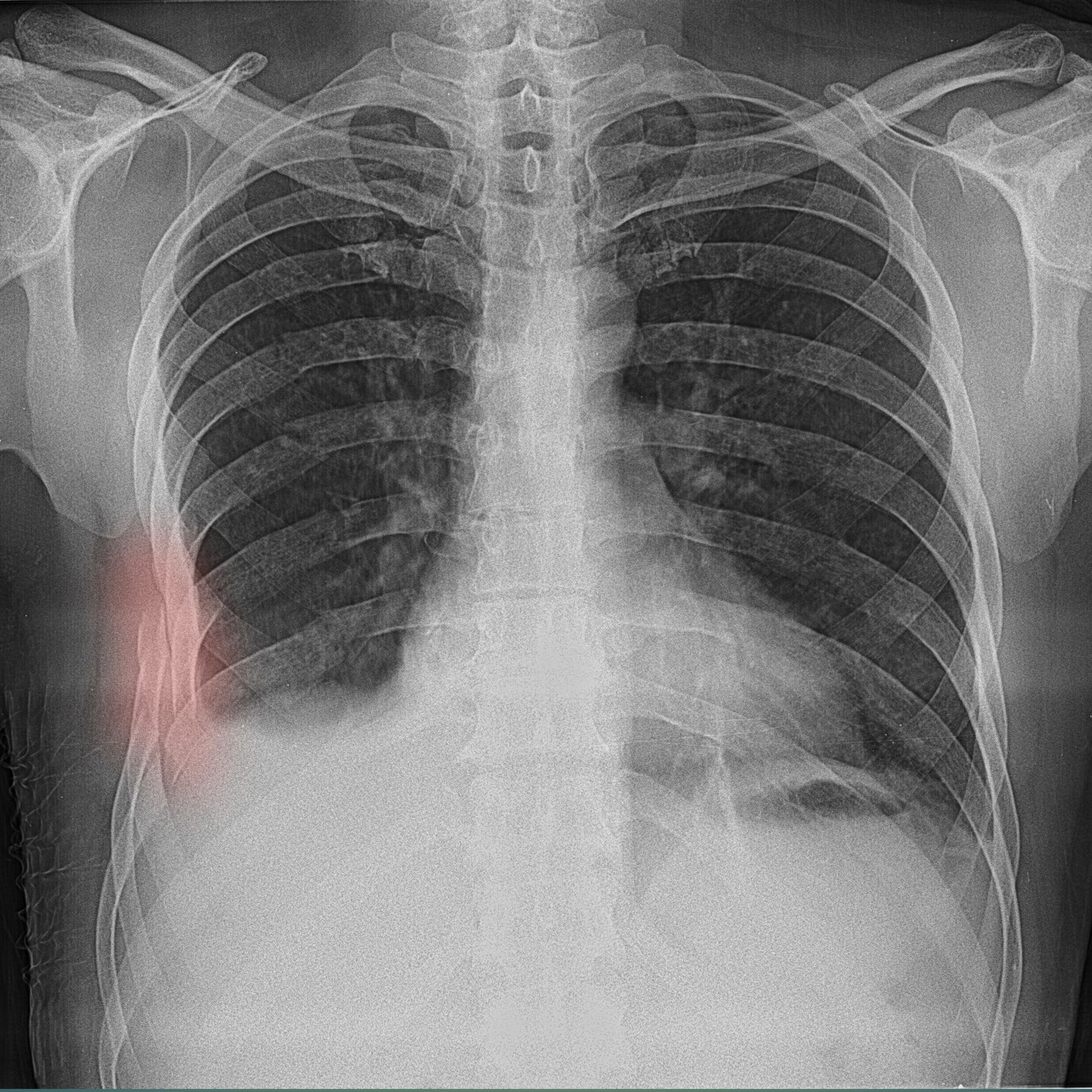
Children can sustain both soft tissue spinal injuries and fractures in car crashes. Because a child's vertebrae have more cartilage and the ligaments are more pliable, certain types of spinal injury, including SCIWORA (spinal cord injury without radiographic abnormality), occur in children at higher rates than in adults. This type of injury involves neurological damage to the spinal cord without a fracture visible on X-ray, which can lead to delayed diagnosis and treatment.
Fractures in children also behave differently from adult fractures. Growth plate injuries, which occur near the ends of developing bones, can disrupt normal bone growth and lead to deformity or length discrepancy over time. A fracture that appears to heal normally may affect the child's physical development in ways that are not apparent until years later. This is one reason why settling a child injury claim quickly, before long-term developmental effects are understood, has significant risk.
How Car Seat Use Affects Injury Severity and Liability
Indiana law under Indiana Code § 9-19-11 requires that children under the age of eight be properly secured in a federally approved child restraint system, and that children between the ages of eight and sixteen be secured by a child restraint system or safety belt. These requirements exist because proper restraint dramatically reduces the severity of injuries in a crash.
When a child is not properly restrained at the time of a crash, insurers representing the at-fault driver may attempt to use that fact to reduce the damages paid. In Indiana's comparative fault system, any negligence that contributed to the injury can be weighed against the recovery. If an adult occupant responsible for the child's restraint failed to properly secure the child, that failure may become a point of contention in the claim. It does not eliminate recovery, but it affects how the case is argued and what evidence needs to be developed.
Conversely, if an at-fault driver caused a crash that injured a properly restrained child, the evidence that the child was correctly secured in a compliant seat supports the argument that all foreseeable precautions were taken and the injuries that resulted fall entirely on the at-fault party.
Indiana's Filing Deadline for Child Injury Claims
Parents are often surprised to learn that the standard two-year personal injury statute of limitations works differently for injured minors. Under Indiana Code § 34-11-6-1, a person who is under a legal disability when a cause of action accrues has two years from the date the disability is removed to file. For a minor, that disability is removed at age 18, meaning a child injured in a crash generally has until their twentieth birthday to file suit.
This does not mean waiting is wise. Evidence degrades, witnesses move or forget details, and the at-fault driver's insurer may already be building a defense. Acting promptly protects the evidence and the claim even when the law technically allows more time.
Why Early Settlements for Child Injuries Are High-Risk
The full impact of a crash injury on a child is rarely clear in the weeks or months immediately following the accident. TBI consequences may not surface until the child enters school. Growth plate injuries may not affect development visibly for years. Psychological effects, including anxiety, sleep disturbances, and fear of vehicle travel, may persist or worsen over time.
Insurance companies know this. Early settlement offers for child injury claims are structured around what is known at the time of the offer, not what will become known as the child grows. Accepting a settlement before the long-term picture is clear means accepting compensation calculated without the information that matters most.
Bring Your Child's Injury Claim to Sarkisian Law Today
Sarkisian Law has represented injured children and their families throughout Northwest Indiana since 1981. Contact us for a free consultation to discuss your child's injuries and what their claim requires before making any decisions.