What is Vicarious Liability in a Personal Injury Case?
In any personal injury case, your future could be on the line in terms of getting the support you need to pay for your medical care. Determining who can be held responsible is a task your personal injury lawyer should help you with immediately so that you can put this issue behind you and move forward into a successful future. It’s never easy to live through any type of accident, whether it’s a vehicle crash or a slip and fall. Your chance to get the money you need for medical treatment depends on your willingness to hire and work directly with a lawyer who has your best interests in mind. This means your lawyer should be prepared to determine liability quickly to file your injury case effectively.
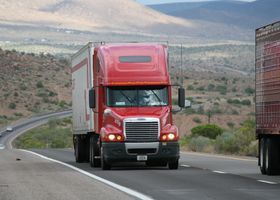
If you have been hurt and believe someone else’s negligence is the cause of the injuries you have sustained, you may hear numerous types of legal terminology thrown around regarding your ability to file a claim. One of these is vicarious liability. This means that a principal person or entity could be held liable for the conduct or misconduct of his agents. This may arise in cases such a as truck driver who caused an accident. You may be eligible to have a claim against the truck driver and the truck driver’s employer as well.
The primary concept here is whether or not the agent was acting on behalf of the principal at the time of the accident. Vicarious liability has become increasingly important in a number of litigated cases over recent years. Knowing when vicarious liability applies and how to identify all potentially responsible parties in an accident is extremely important. Your rights and ability to recover compensation depend on speaking with an experienced and dedicated lawyer.
Given that there is so much at stake including your chance to recover and go back to work and live your life as normal, you cannot afford to wait to hire a personal injury lawyer who has a track record of exploring issues of liability and doing everything possible to protect your interests.