Do I need an expert witness for my injury case?
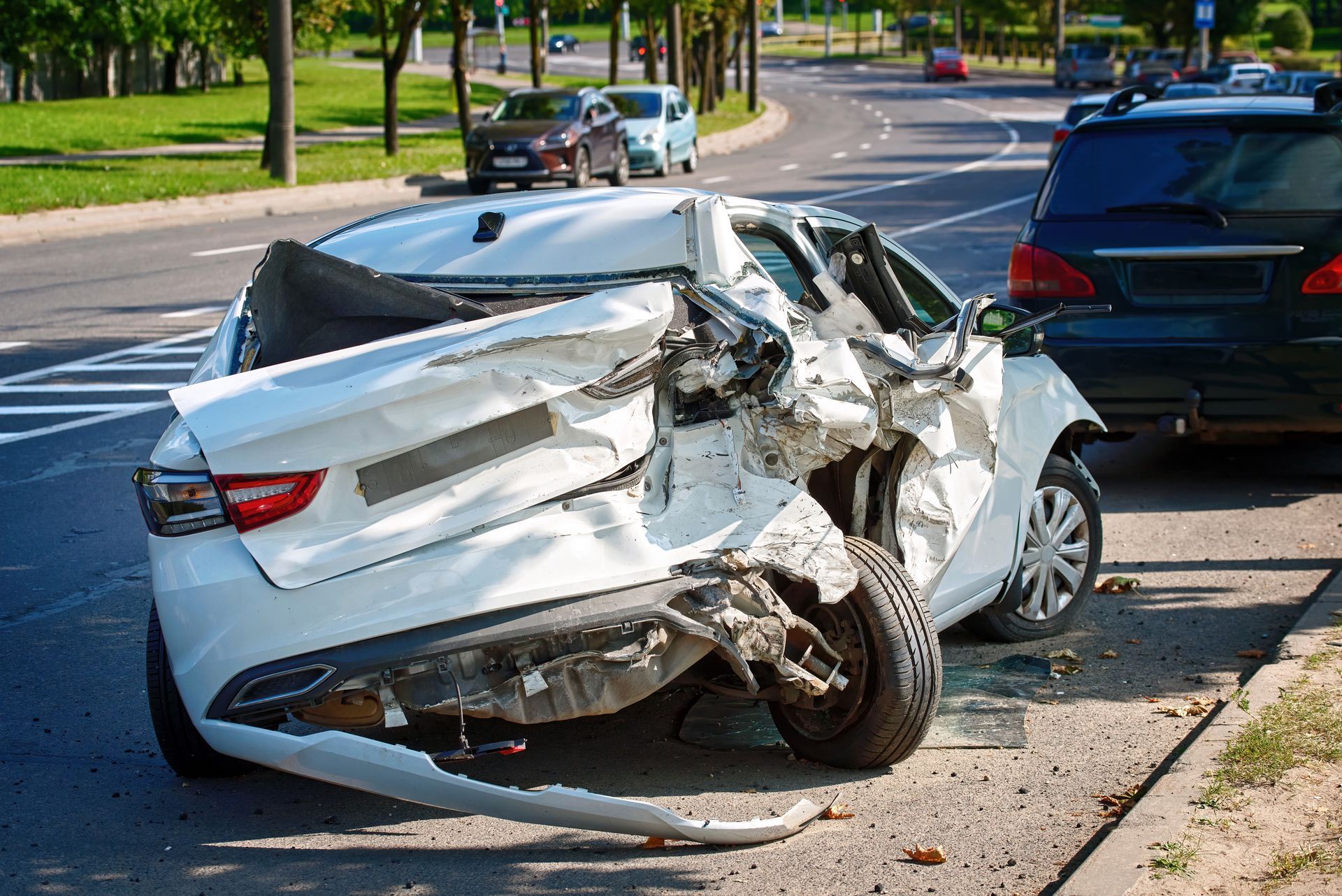
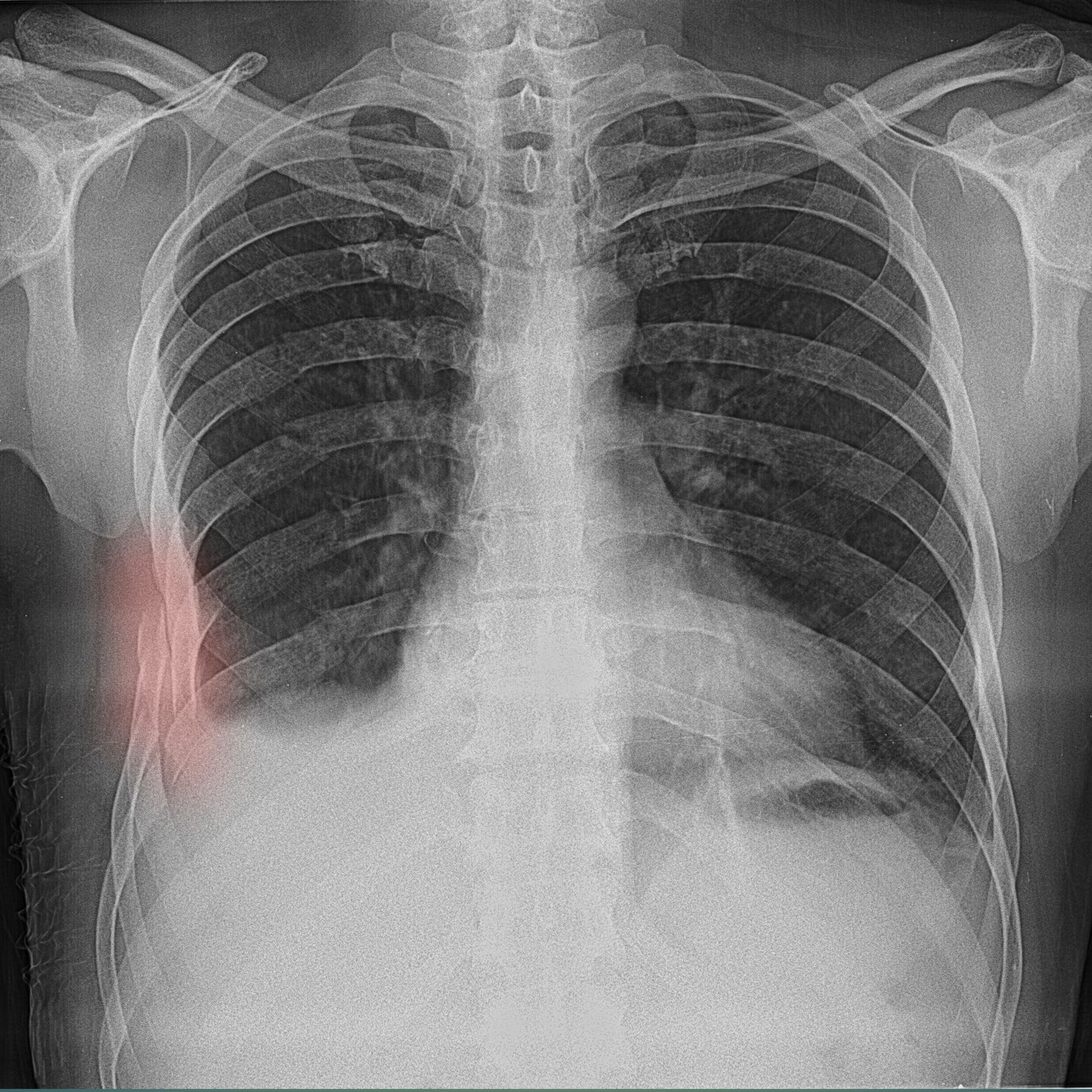
You might want an expert witness to testify or advise in your injury case for various reasons. These professionals might be able to help explain your injuries, predict your future earnings, describe a complicated auto accident or dissect complex mechanical engineering and design failures.
As explained on FindLaw, there are generally two types of expert witnesses . The first type would explain technical details to you or your lawyer. The second type would present information in a case. The defense in your case could interact with the second type, but not the first.
This distinction raises an interesting point: Personality is sometimes important, in addition to knowledge. A jury may not deliver a verdict that determines the final outcome of your case — many personal injury cases end in the defending parties making a settlement. However, both you as a plaintiff and the other parties as defendants should probably prepare for this eventuality.
This strategy is why it is important to retain knowledgeable experts, and also those who have a certain experience in or propensity towards presenting information in a courtroom setting. Some individuals have both attributes. This duality is typically essential because, after all, a jury could not make a decision based on something its members could not understand. You would need a good communicator to show why the data relate to your case.
Obtaining the right witness is one of the not-so-obvious necessities that can often prove critical to the outcome of your case. Fortunately, most personal injury lawyers and law offices have an established network of expert witnesses, from doctors to engineers.
Having the right people testify on your behalf has the potential to uncover details about your injury that even you did not know. It could also have a persuasive effect on the defendants, making them more accepting of reasonable settlement offers. Of course, everything would depend on the specifics of your individual case — and finding and defining those specifics would often be the primary reason to engage specialists in the first place.